
Egypt’s year-round sunshine, spectacular marine life and world-class resorts make it an attractive destination for travellers of all ages. From diving in the Red Sea to exploring ancient historical sites and relaxing along the Mediterranean coastline, the country offers an exceptional variety of holiday experiences.
Adapting to a different climate, unfamiliar food and new daily routines, however, can sometimes affect a traveller’s health. Understanding common travel-related health concerns and knowing when to seek medical assistance can help visitors enjoy their holiday with greater confidence.
Adapting to Egypt’s climate
For many international visitors, particularly those arriving from Northern and Central Europe, Egypt’s warm climate represents a significant change in environmental conditions.
Extended exposure to high temperatures, increased physical activity and insufficient fluid intake can contribute to dehydration, headaches, dizziness and fatigue.
Drinking sufficient water, limiting prolonged sun exposure during the hottest hours of the day and allowing time to adjust to the local climate are important preventive measures.
Persistent dizziness, vomiting or significant weakness should not be ignored, particularly among children, older travellers and individuals with existing medical conditions. Confusion or collapse associated with heat exposure requires immediate emergency medical attention.
Managing digestive health while travelling
Gastrointestinal problems are among the common medical concerns experienced by international travellers. Changes in diet, unfamiliar ingredients and exposure to gastrointestinal infections can result in abdominal discomfort, nausea, vomiting or diarrhoea.
Although some digestive symptoms may resolve without specific medical treatment, persistent symptoms can lead to dehydration and may require professional assessment.
Travellers experiencing severe abdominal pain, high fever, blood in the stool or an inability to maintain adequate fluid intake should seek medical attention promptly.
Swimming, diving and water-related health concerns
The Red Sea is internationally recognised for its diving and snorkelling opportunities, attracting visitors to Hurghada, Marsa Alam, El Quseir and Sharm El Sheikh throughout the year.
Regular swimming and diving can occasionally contribute to ear infections, pressure-related ear injuries, skin irritation and minor physical injuries.
Persistent ear pain, hearing changes or discomfort following diving should be medically assessed before returning to underwater activities.
Breathing difficulties, neurological symptoms or severe pain following a dive require immediate emergency medical assessment.
Accessing medical care before symptoms become more serious
Tourists sometimes postpone medical consultations because they are unfamiliar with local healthcare facilities or concerned about treatment costs and insurance procedures.
Early medical assessment can help identify conditions that require treatment and reduce the risk of complications.
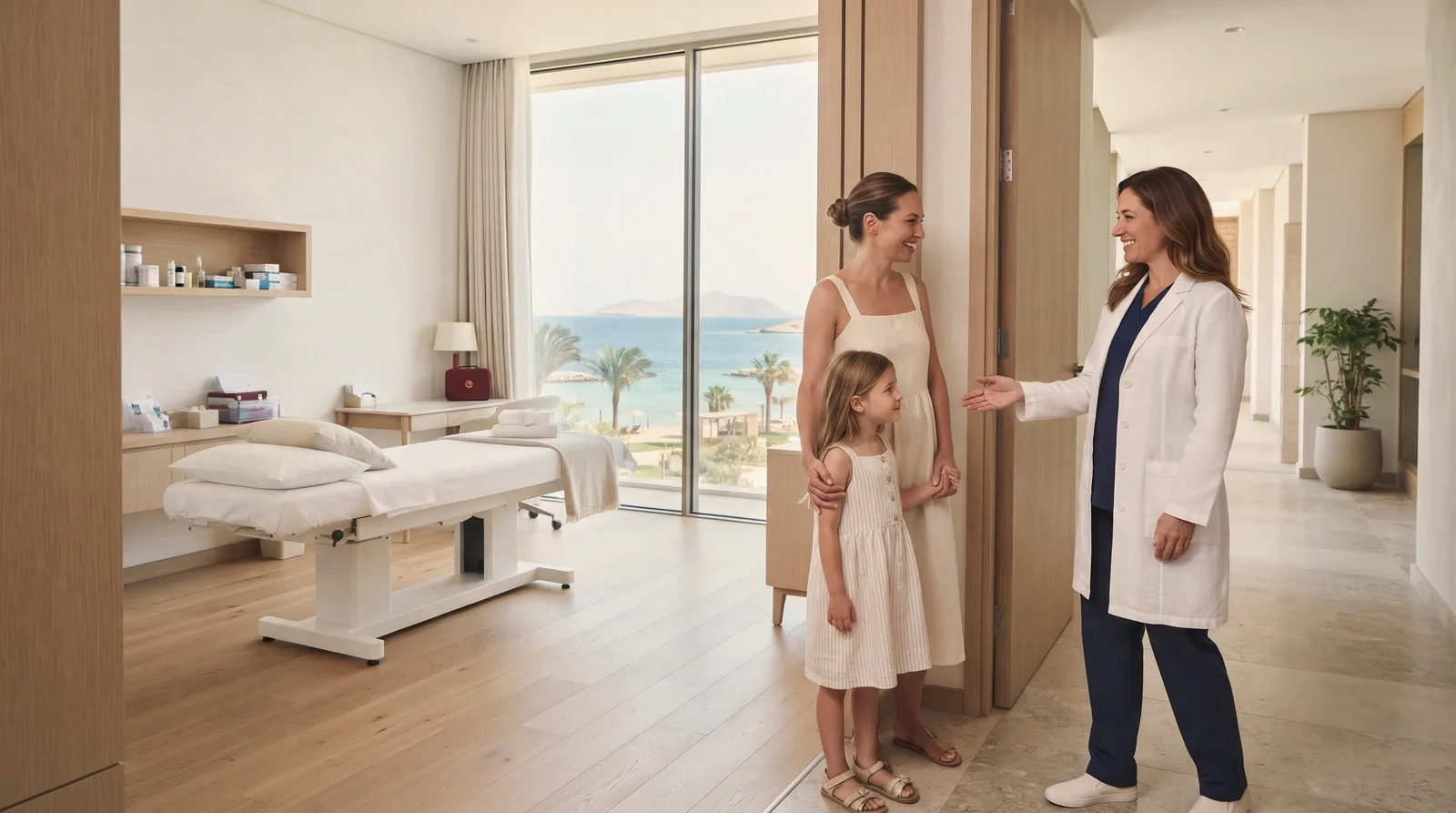
24/7 Clinics provides access to medical services through clinics located inside selected hotels and resorts across Egypt. Our team supports international patients with medical consultations, insurance coordination and referrals to appropriate healthcare facilities when additional treatment is required.
For travellers staying outside participating hotels, medical assistance can also be coordinated according to their location and individual circumstances.
Being prepared for unexpected health concerns is an important part of responsible international travel. With appropriate preventive measures and reliable access to professional medical care, visitors can focus on enjoying everything Egypt has to offer.